
Business Page from Shelby30…
Shelby Co. State Bank
Your hometown bank, your community partner.

Your hometown bank, your community partner.
Shelby Co. State Bank
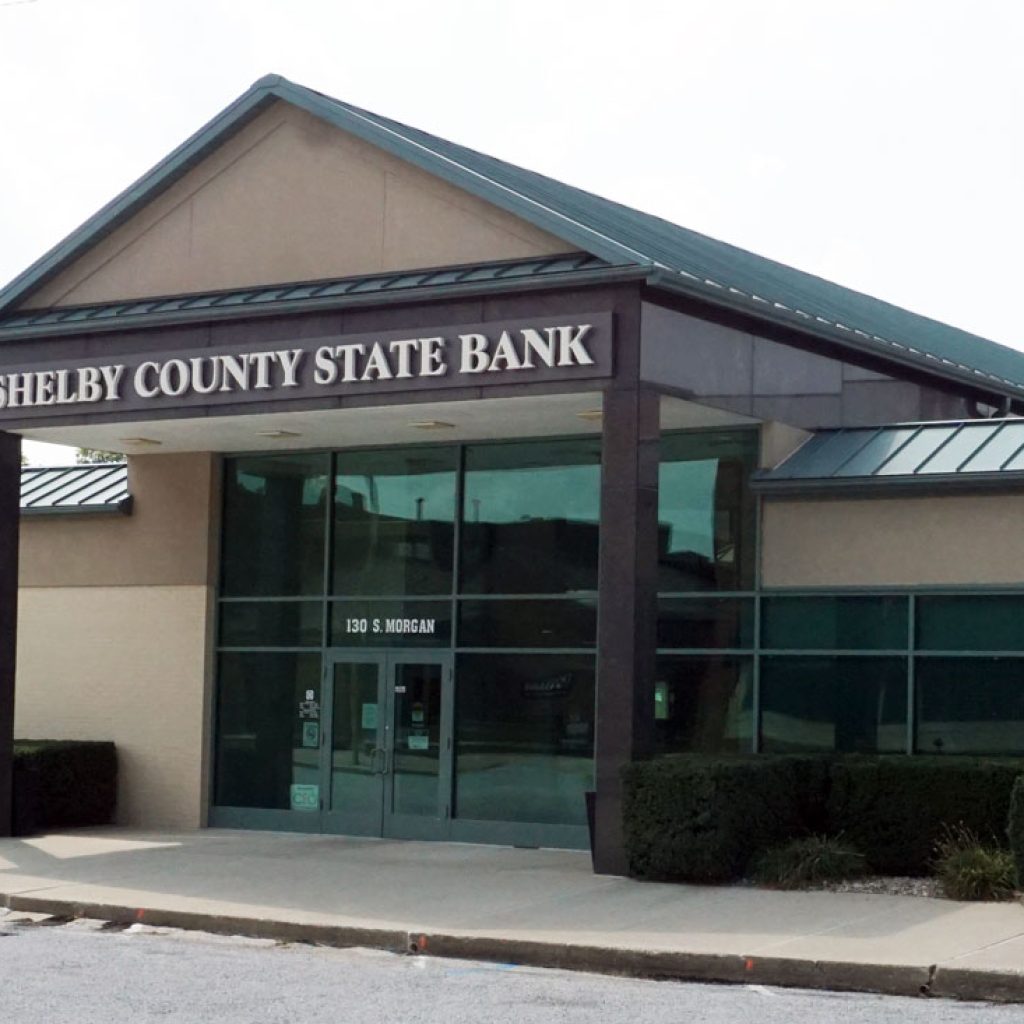
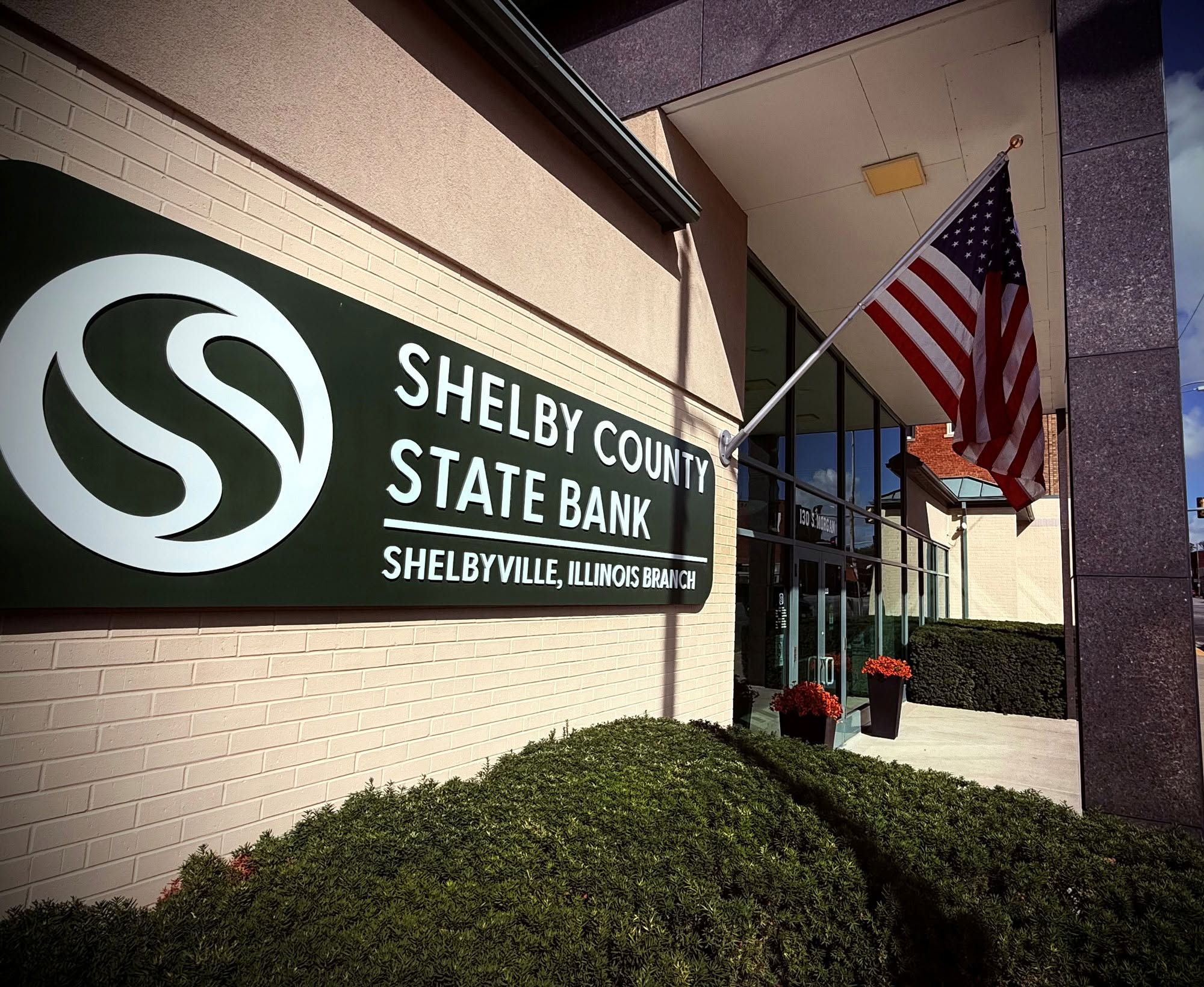
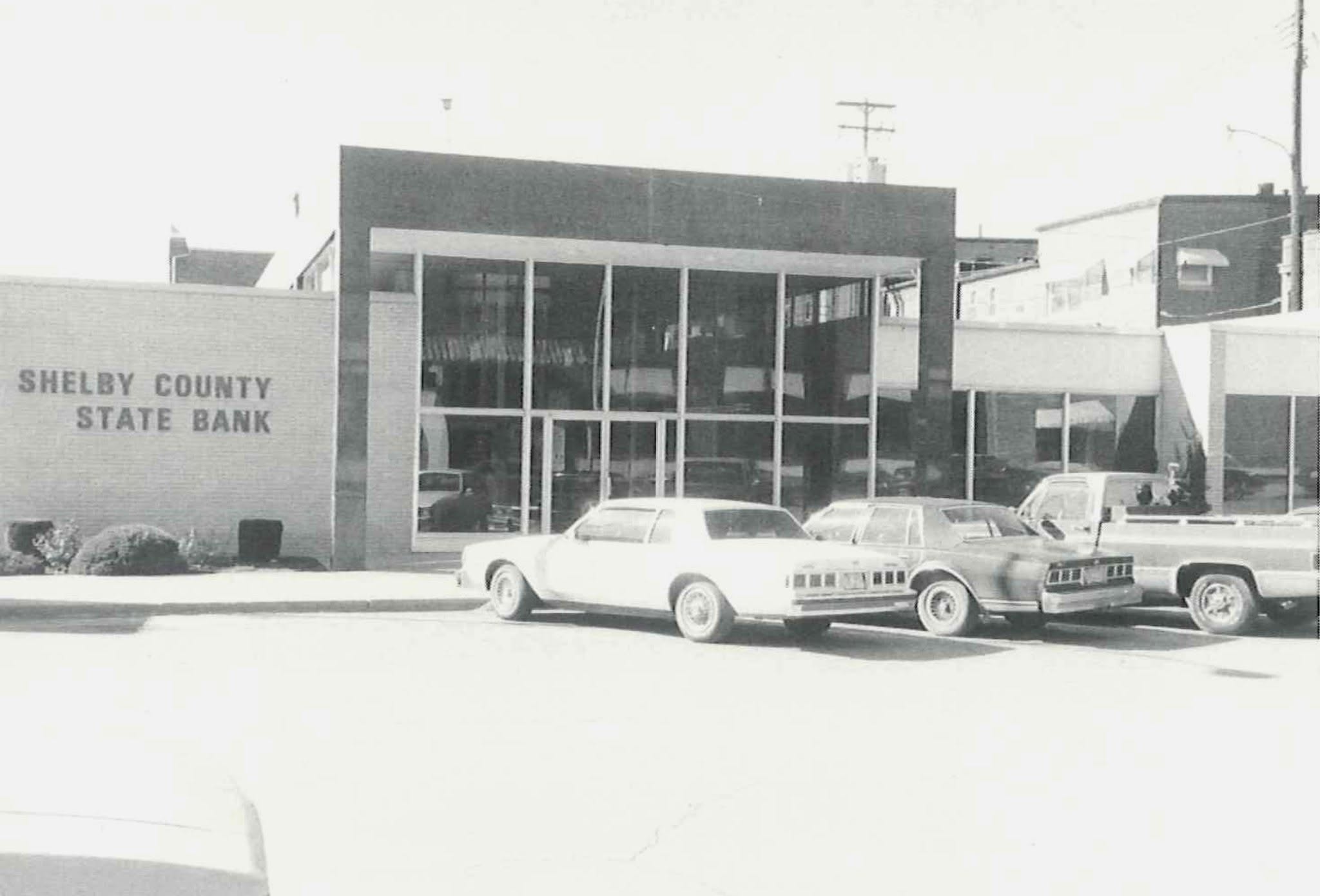
The bank’s commitment is perhaps best visualized through its historical footprint on South Morgan Street.
When the iconic main building was constructed in 1965—and subsequently modernized through the decades—it signaled a promise that Shelbyville would not be left behind by technological advancements.
By continually upgrading its infrastructure, the institution ensures local residents and business owners enjoy state-of-the-art banking convenience without ever having to surrender the personal warmth of a hometown touch.
Shelby Co. State Bank
Never Short On Style! The $25 Short Sale awaits In Store Today!
Shelby Co. State Bank
Rooted deeply in the heart of central Illinois, the Shelby County State Bank of Shelbyville has spent over a century acting as more than just a financial institution.
Operating continuously since 1895, it represents a rare anchor of permanence in a rapidly shifting economic world.
What makes people truly love what the bank does for the community is its unwavering endurance, having weathered depressions, agricultural crises, and changing eras while keeping local capital right where it belongs.


Shelby Co. State Bank
A vital part of that enduring affection stems from generational continuity.
Since its founding days with an initial capital stock of $50,000, founding family threads—such as the Dove lineage—have remained actively tied to the bank’s ongoing stewardship.
This multi-generational presence means that the bankers sitting across the desk are not corporate strangers; they are neighbors whose roots run just as deep into Shelby County soil as those of the families and multigenerational farms they serve.
Shelby Co. State Bank
Beyond commercial ledgers, the institution’s heart beats loudly in tandem with local culture, most notably through its beloved traditions at the annual Shelby County Fair.
Whether sponsoring the heartwarming Apple Pie Morning—where hundreds of slices are served alongside sweet fellowship to senior citizens—or clerking the 4-H livestock auctions, the bank actively invests in the joy and morale of the county.
These moments turn routine banking relationships into shared community memories.
Shelby Co. State Bank
Education is another arena where the bank leaves an indelible, loving mark on the future of Shelbyville.
Through active participation in programs like “Teach Children to Save Day” and local classroom financial literacy workshops, bank employees demystify money management for elementary and high school students.
By teaching kids the value of budgeting, saving, and financial independence early on, they are proactively building a more resilient, financially confident generation of local citizens.
Shelby Co. State Bank
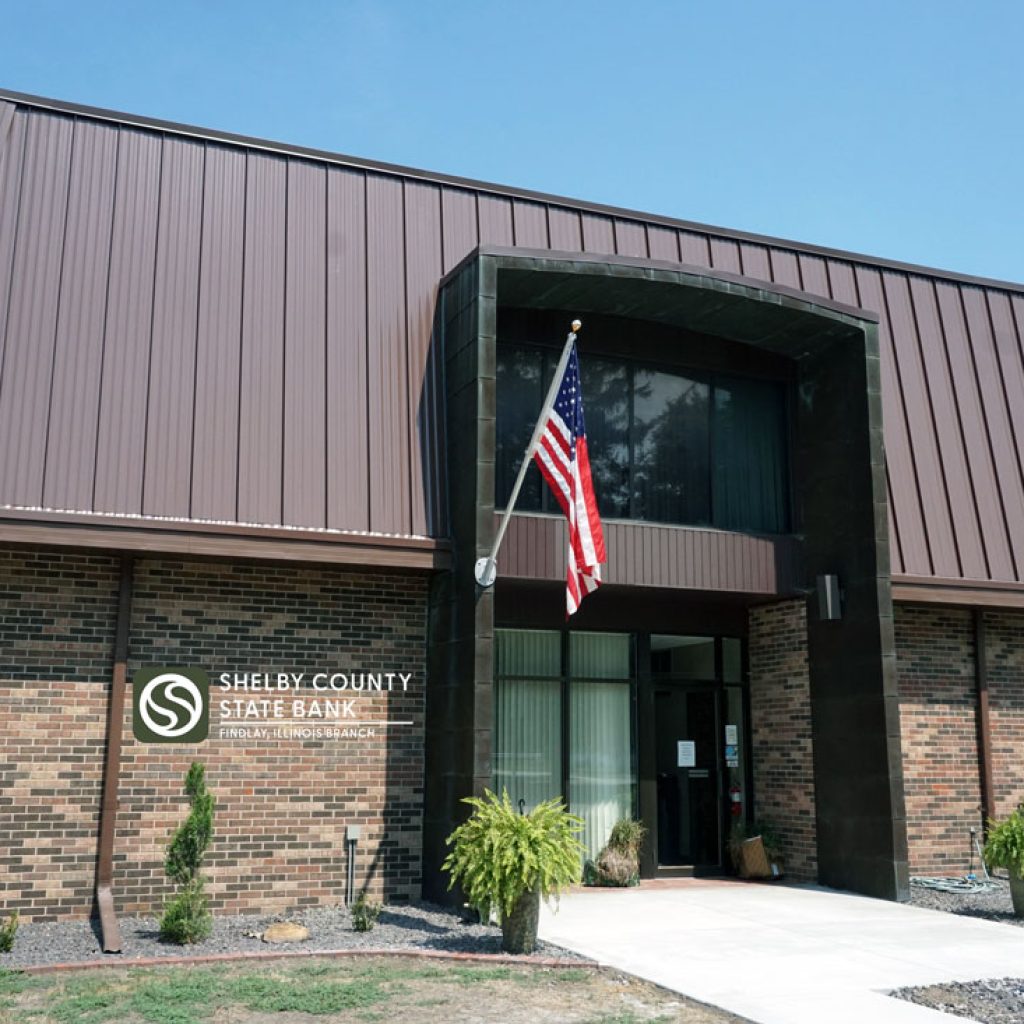
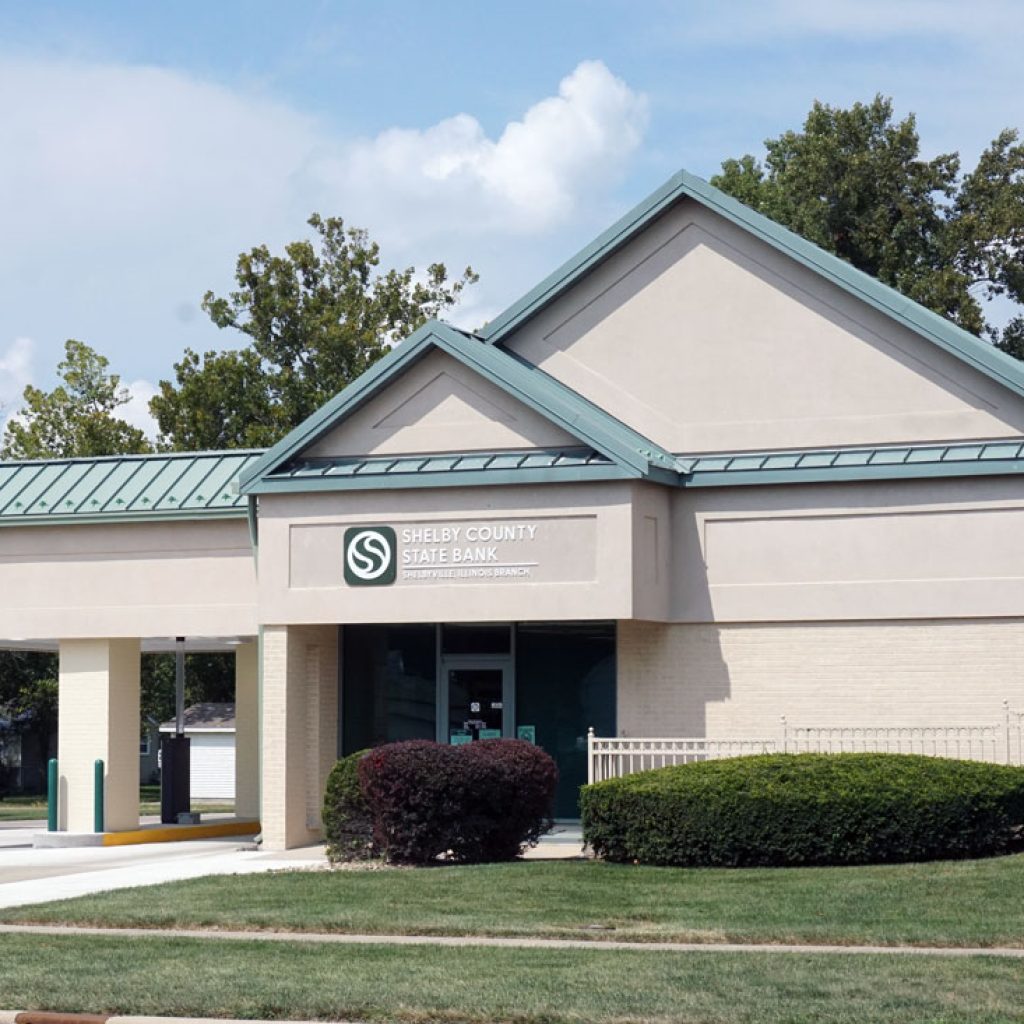
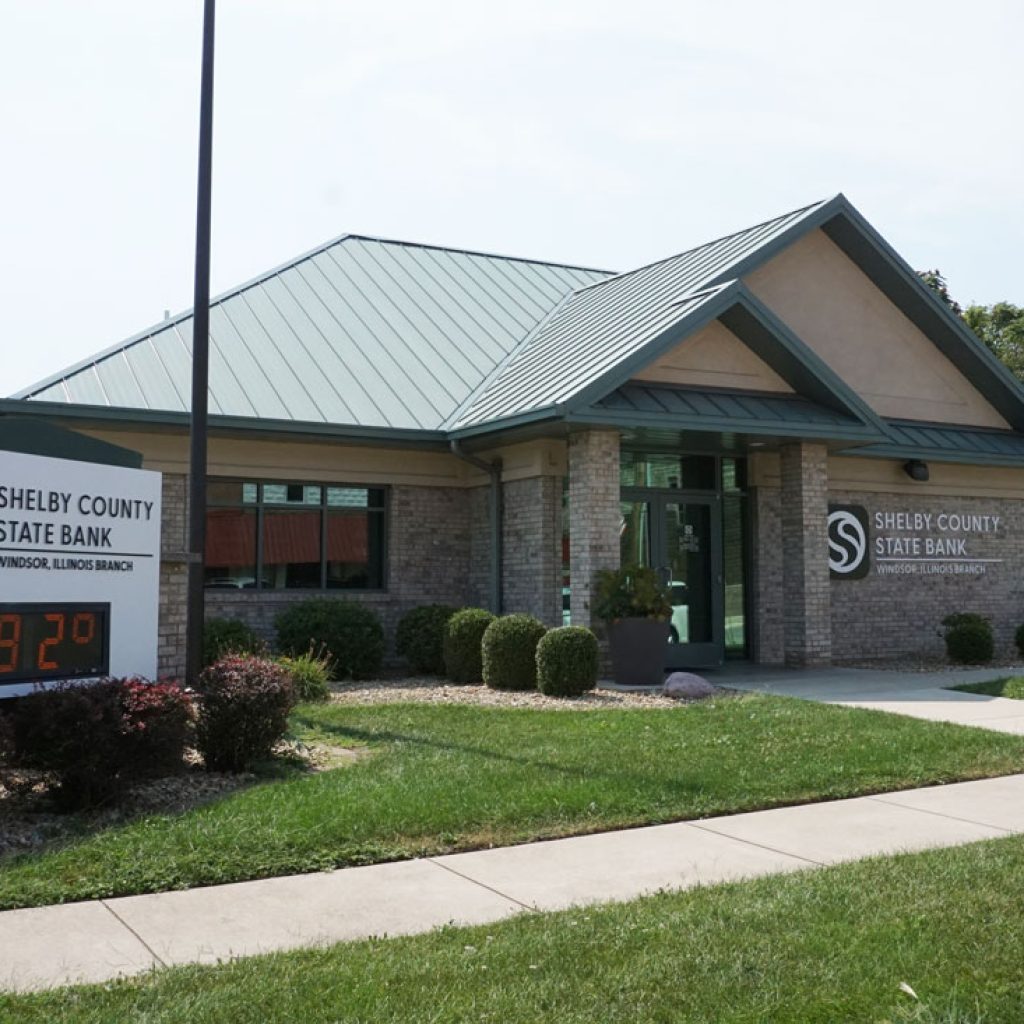
Furthermore, the bank’s structural growth across neighboring communities—expanding its care into Windsor, Strasburg, Findlay, and Moweaqua—has created a unified regional safety net.
Instead of centralizing wealth in distant metropolitan hubs, Shelby County State Bank acts as a regional circulatory system.
Deposits gathered locally are thoughtfully funneled back out as agricultural, residential, and small business loans, directly financing the dreams, homes, and enterprises of local people.
Shelby Co. State Bank
Ultimately, people love Shelby County State Bank because it operates on a philosophy of shared destiny.
When local farmers face economic shifts, when young entrepreneurs launch storefronts on Main Street, or when families plan their estates, the bank treats them as human stories rather than account numbers.
It is this rare blend of institutional strength and profound neighborly empathy that makes the bank an indispensable pillar of Shelbyville life.
Shelby Co. State Bank
What makes the Shelby County State Bank uniquely beloved in Shelbyville is how it fundamentally rejects the distant, transactional nature of modern banking by keeping local capital entirely circulating within the region.
Ever since opening its doors in 1895, the institution has operated on the philosophy that a bank’s success should be measured directly by the vitality of the families, small businesses, and multigenerational farms around it.
A Century of Community: The Story of Shelby County State Bank
Chapter 1: The Early Foundations and Resilience (1895–1917)
The history of Shelby County State Bank began on May 11, 1895, when it officially opened its doors to serve the residents, farmers, and local enterprises of Shelbyville and the surrounding area. Founded with an initial capital stock of $50,000, the institution was built on a vision of community support and financial reliability. Its original investors—Theodore F. Dove, Max Kleeman, Philo Parker, and John A. Tackett—established a strong foundation that would guide the bank through generations. Philo Parker stepped in as the bank’s very first president, steering its early operations from a building at 155 East Main Street that had previously been occupied by W.F. Thornton and Sons Bank.
During its formative years, the bank quickly integrated itself into the daily rhythms of Shelbyville life. Local merchants and agrarian families relied on the institution to safely store earnings, secure seasonal loans, and finance business ventures. The community’s trust in the bank grew steadily as it navigated the complex economic landscape of the late nineteenth and early twentieth centuries. Leadership focused on cultivating enduring relationships, ensuring that every customer received personalized guidance tailored to their specific livelihood. This localized, relationship-driven approach laid the groundwork for the bank’s reputation as a dependable pillar of stability.
As the bank entered the 1910s, its operations continued to expand alongside the thriving commercial district of Shelbyville. The institution became more than just a repository for money; it was an active participant in regional progress, helping fund local infrastructure and agricultural expansion. Customers came to view the bank as a secure vault for their hard-earned savings, trusting the expertise of its directors and officers. Little did anyone know, however, that a dramatic test of the bank’s institutional endurance was looming just around the corner.
The burgeoning success of the bank was abruptly interrupted on December 31, 1916, when a catastrophic fire swept through the downtown area. The blaze wreaked havoc, destroying much of the original bank building and leaving behind a scene of devastation. For the founders, staff, and loyal customers, New Year’s Eve of 1916 marked a moment of profound shock and uncertainty. Physical records, furnishings, and the structure itself were heavily damaged or reduced to rubble, threatening to erase over two decades of local financial history.
Yet, rather than succumbing to disaster, the bank’s leadership and the resilient people of Shelbyville immediately rallied together. Plans for recovery were set into motion almost overnight, driven by a collective refusal to let the tragedy defeat their community’s financial backbone. Temporary measures were established to maintain essential banking services for local citizens while architects and builders drafted a blueprint for a brand-new home. The community’s unwavering confidence in the institution provided the vital momentum needed to push forward through the ashes of the fire.
Construction of the replacement facility proceeded with remarkable determination throughout the spring and summer of 1917. Craftsmen and laborers worked diligently to ensure that the new structure would not only restore operations but also symbolize a renewed era of strength. By the fall of 1917, the second building was successfully completed, welcoming customers back through its doors. Positioned right next to the town’s movie theater, this newly erected building stood as a proud testament to local perseverance and recovery.
The successful reopening in 1917 marked a psychological and economic turning point for Shelbyville. Customers returned with renewed faith, eager to deposit their trust and their savings back into an institution that had literally risen from the ashes. The bank’s leadership responded by reinforcing their commitment to prudent financial stewardship and community-first values. This period of rebuilding instilled a deep-seated institutional resilience that would guide the bank through the even greater economic storms ahead.
Following the completion of the new building, the bank entered the late 1920s and the turbulent 1930s with a fortified sense of purpose. When the Great Depression strained financial systems across the nation, Shelby County State Bank stood firm through careful management and conservative lending practices. During this era, the bank consolidated with the Tower Hill State Bank, broadening its regional footprint and welcoming new depositors into its care. To further ensure the absolute security of its customers’ assets, the bank became a member of the Federal Deposit Insurance Corporation (FDIC) and joined the Federal Reserve System.
These strategic affiliations during the interwar and depression years cemented the bank’s status as a secure, modern financial institution. Customers found immense comfort in knowing that their local bank was backed by federal safeguards while retaining its hometown identity. The multi-generational involvement of founding families—such as the Dove family, whose members remained active in the bank’s governance—ensured a seamless continuity of vision and core values. Through every economic wave, the institution maintained its focus on supporting local families and businesses.
Looking back at the era spanning from 1895 to 1917 and its immediate aftermath, the foundational chapter of Shelby County State Bank is a classic American story of grit and community loyalty. From its modest beginnings on East Main Street to surviving a devastating fire and rebuilding a landmark structure that still stands today, the bank proved its indomitable spirit. It successfully transitioned from a nineteenth-century local enterprise into a resilient twentieth-century institution, ready to meet the evolving needs of Shelby County for decades to come.
Chapter 2: A New Home on Morgan Street (1965)
By the mid-twentieth century, Shelbyville had grown significantly, and Shelby County State Bank had become deeply woven into the fabric of regional commerce. The historic building next to the movie theater, which had served the bank so well since 1917, was beginning to experience the constraints of space and rapidly changing technology. Post-war economic expansion brought a surge in personal checking accounts, commercial loans, and automobile financing. Bank leadership realized that to continue providing premier service, they needed a facility designed for the future.
In response to this growing demand, the bank embarked on an ambitious construction project in 1965. A brand-new, modern bank building was erected at 130 South Morgan Street in Shelbyville, marking a major geographical and architectural milestone for the institution. Moving away from the older downtown corridor, this new site was strategically planned to accommodate the town’s shifting commercial center and provide a more accessible environment for patrons navigating daily errands.
For its time, the new Morgan Street headquarters was considered the absolute cutting edge of banking technology and convenience. Most notably, the facility featured a dedicated drive-up window—a revolutionary amenity that allowed customers to conduct routine transactions without ever leaving their automobiles. This innovation transformed the customer experience, catering to busy farmers, working parents, and local business owners who valued speed and efficiency alongside traditional personal service.
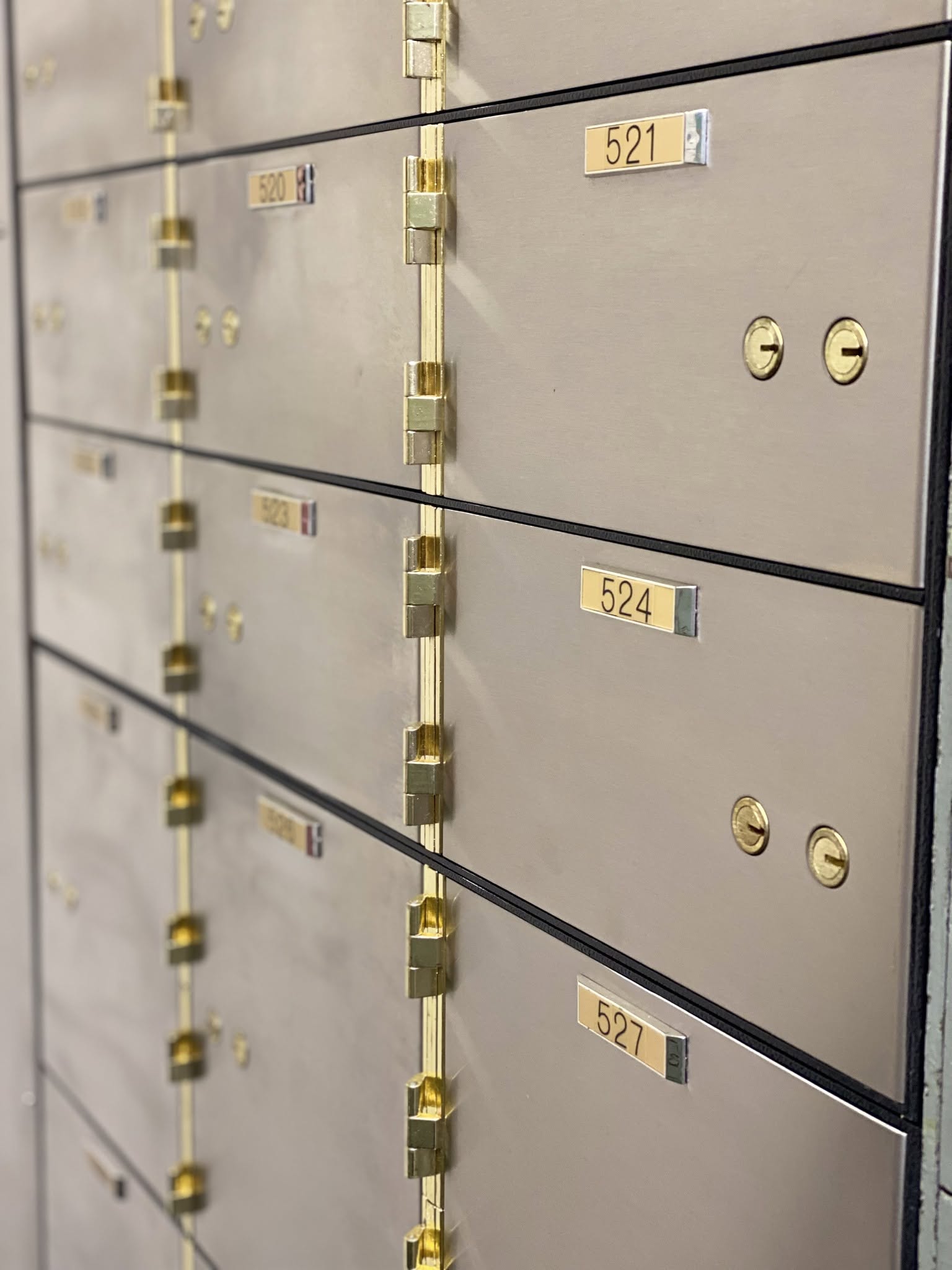
Inside the 1965 building, the open and spacious lobby offered a welcoming atmosphere for conducting complex financial consultations. Modern vault systems, improved record-keeping areas, and comfortable offices allowed the bank’s growing staff to handle an increasing volume of assets and accounts. The physical transformation mirrored the bank’s financial health; by this era, the institution’s total assets had begun a remarkable upward trajectory that reflected the prosperity of the broader community it served.
The transition to Morgan Street also coincided with a renewed dedication to community engagement and leadership in local lending. Over its history, Shelby County State Bank had proudly maintained the highest percentage of loans among all financial institutions in Shelby County, fueling homeownership, agricultural investments, and small business startups. The new headquarters provided the operational capacity needed to sustain and expand this vital lending philosophy, ensuring that local dreams had access to local capital.
As the years rolled on through the late 1970s and early 1980s, the popularity of the Morgan Street location brought its own pleasant challenges. Continued community growth meant that customer traffic regularly filled the lobby and drive-up lanes. Recognizing that technology and customer expectations were evolving faster than ever, bank leadership authorized a comprehensive remodeling and expansion project in 1983. This expansion updated the interior workflow, integrated early computer-era accounting systems, and ensured the facility could comfortably handle rising transaction volumes.
The 1983 renovation also reinforced the bank’s visual identity as a modern, progressive institution while preserving its warm, hometown atmosphere. Tellers, loan officers, and executive leadership worked side by side in an optimized environment designed to minimize wait times and maximize personal attention. Customers who had banked with the institution for decades walked into an upgraded space that honored the past while confidently embracing the technological demands of the modern financial world.
Throughout the 1980s, the main bank on Morgan Street served as the command center for a broader strategic vision. While competitors in larger cities consolidated into impersonal corporate monoliths, Shelby County State Bank doubled down on its commitment to local accessibility and community-driven decision-making. Decisions regarding loans and business investments were made right on site by people who knew the local geography, weather patterns, and business owners personally. This localized accountability became the bank’s greatest competitive advantage.
Entering the final years of the twentieth century, the bank recognized that technological innovation was once again reshaping the financial landscape. To stay ahead of the curve and accommodate further expansion, the Main Bank underwent a second major remodeling and expansion project in the year 2000. This millennium update introduced advanced electronic banking infrastructure, enhanced customer service stations, and modernized the physical plant to support the dawn of digital and automated financial services.
By the turn of the twenty-first century, the 130 South Morgan Street headquarters stood as a magnificent symbol of enduring success and adaptability. From its opening in 1965 through its successive expansions in 1983 and 2000, the building had witnessed the transformation of banking from paper ledgers and manual typewriters to computerized networks and digital transactions. Yet, despite all the technological progress, the core mission established back in 1895 remained unchanged: to serve Shelbyville with integrity, reliability, and genuine care.
Chapter 3: Expanding Horizons and Regional Reach (1987–2008)
While the headquarters on Morgan Street continued to thrive, Shelby County State Bank recognized that true community banking required reaching beyond the city limits of Shelbyville to support neighboring towns facing their own economic transitions. During the late 1980s and 1990s, many rural financial institutions struggled to maintain independent operations. Shelby County State Bank stepped forward with a vision of regional cooperation, acquiring and merging with esteemed neighboring banks to preserve local banking access across the county.
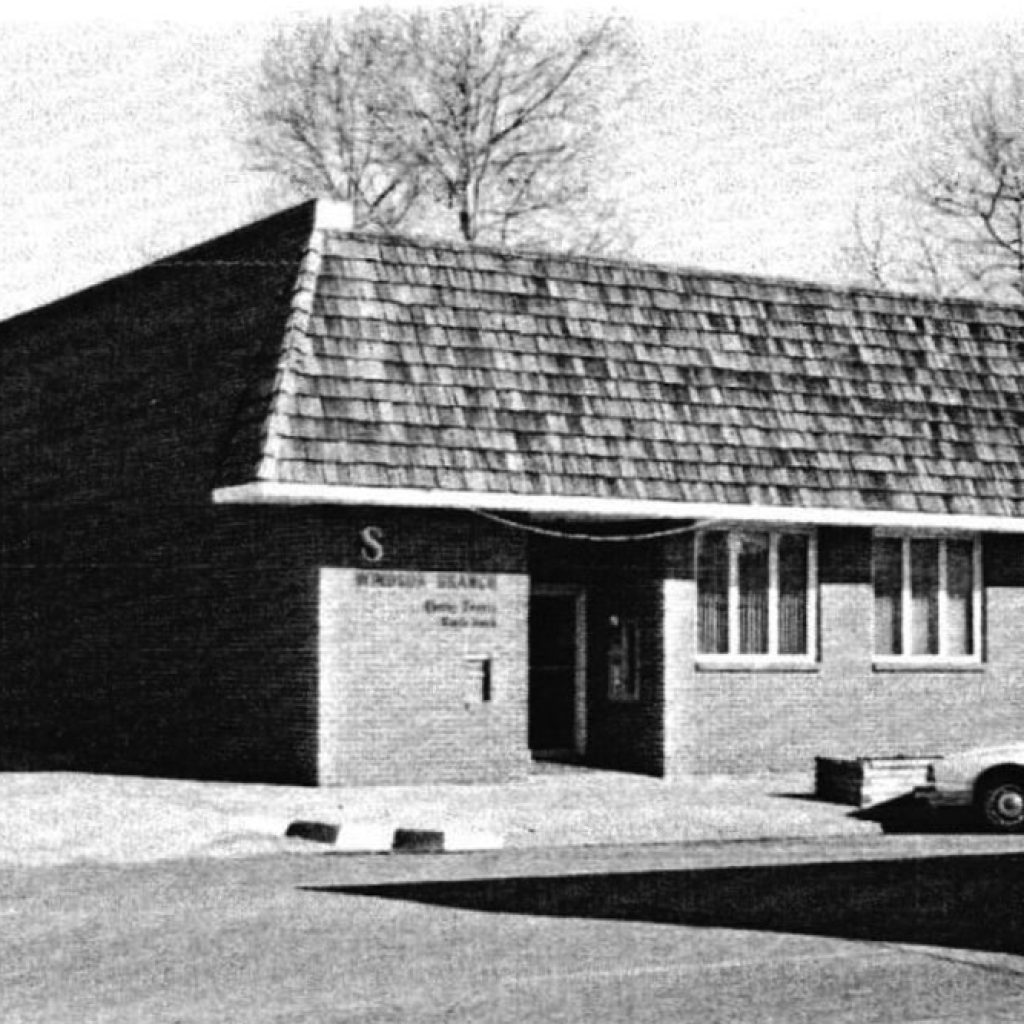
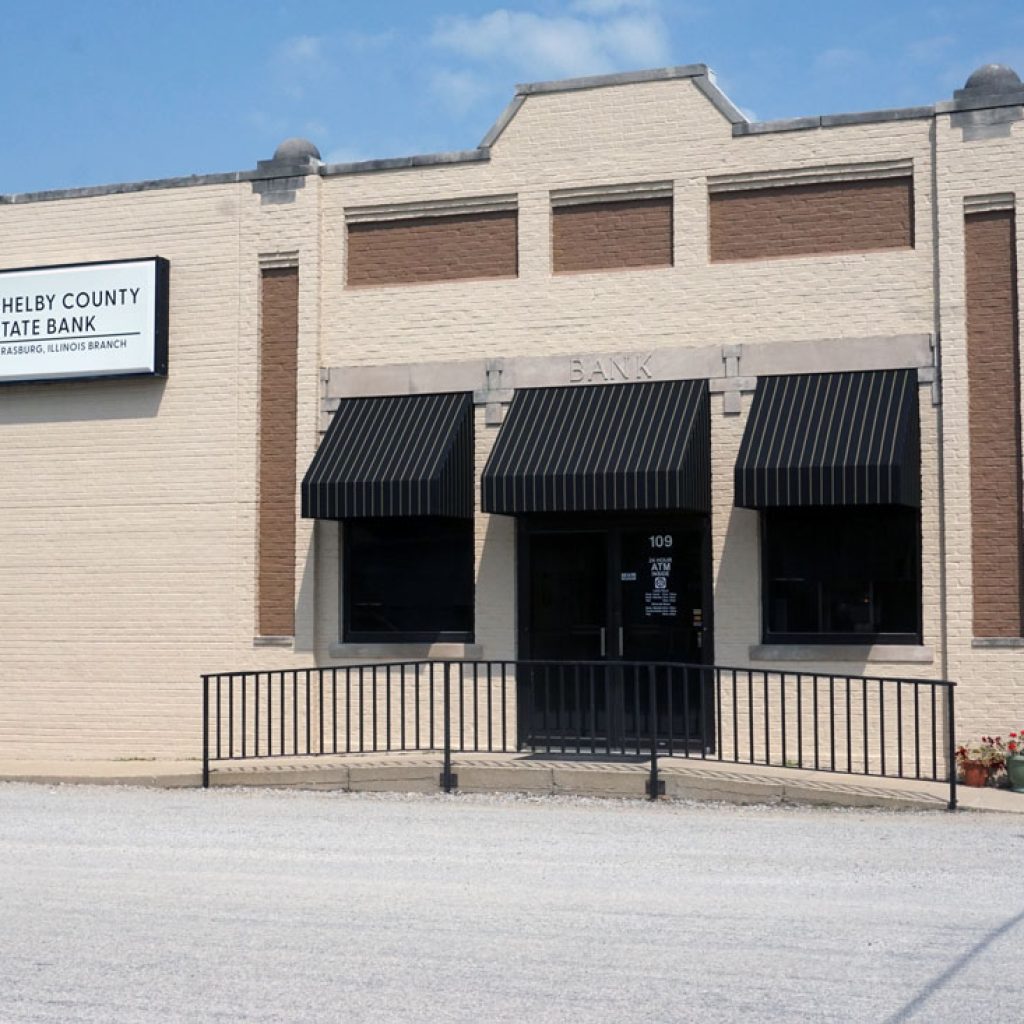
The regional expansion began in 1987 when the bank acquired the Windsor State Bank. This strategic union brought the community of Windsor into the Shelby County State Bank family, ensuring that local residents and farmers continued to receive uninterrupted financial services from a trusted hometown institution. Just one year later, in 1988, the bank merged with Strasburg State Bank, which officially transitioned into a fully integrated branch in April 1995. These early acquisitions established a cooperative network of financial support throughout the southern and eastern portions of the county.
The growth trajectory continued into the 1990s with further regional integration. In 1993, the bank acquired the Bank of Findlay, extending its reach to the northern communities and providing Findlay residents with enhanced lending power and deposit security. Recognizing that urban convenience was also vital within Shelbyville itself, the bank established a full-service branch at 1501 West Main Street in 1994. This West Main location gave local customers a second accessible option right in town, easing traffic at the main headquarters and capturing new residential growth.
In 1995, the bank diversified its service offerings by establishing The Investment Center, providing clients with professional wealth management, retirement planning, and investment services right alongside traditional banking. Originally opened in 1995, The Investment Center eventually relocated in October 2011 to its current dedicated home at 131 South Morgan Street, directly adjacent to the main bank. This addition allowed multi-generational families to manage their everyday savings and long-term financial futures under one trusted umbrella.
As facilities aged, the bank demonstrated an ongoing commitment to reinvesting in its acquired communities rather than letting them fall behind. In August 2006, the outdated Windsor facility was completely replaced with a brand-new, state-of-the-art building located at 1009 Maine Street. This modern facility introduced cutting-edge technology, improved accessibility, and a warm, customer-friendly environment that signaled a vibrant future for Windsor’s economic landscape.
The spirit of purposeful expansion reached the northwestern corner of the county in July 2008, when the bank opened a brand-new branch in Moweaqua, Illinois. Designed to serve existing customers commuting or farming in the area while welcoming new local residents, the Moweaqua branch quickly became an integral part of the community. Every new brick laid and every branch acquired reflected a philosophy of shared prosperity across the entire region.
In 2015, the Strasburg facility underwent a complete modernization and remodel, bringing an updated, contemporary look and enhanced operational capabilities to the branch. This continuous cycle of remodeling, upgrading, and expanding ensured that whether a customer walked into the main office in Shelbyville or visited a branch in Windsor, Findlay, Strasburg, or Moweaqua, they experienced the same high standard of excellence and innovation.
Over more than 125 years of operation, Shelby County State Bank grew from a single storefront with $50,000 in capital into a robust regional financial institution managing over $260,000,000 in assets. Despite this exponential growth, the bank never lost sight of its foundational identity. Its success has always been measured not just by balance sheets, but by the generations of families, local businesses, and agricultural producers whose lives it has touched.
Today, standing proudly as the oldest bank in Shelby County, Illinois, Shelby County State Bank remains a shining example of community dedication, resilience, and forward-thinking leadership. From surviving the ashes of 1916 to pioneering drive-up banking on Morgan Street and uniting neighboring towns under one banner, the bank’s story is deeply intertwined with the history of the people it serves. As it looks toward the future, it continues to honor its rich heritage while providing trusted financial partnership through all of life’s economic ups and downs..
"A True Small-Town Feel with Big Capabilities"
"Generations of Trust and Reliability"
"Family-Like Support When It Matters Most"
What are your opening hours?
Hours of business are:
Main Bank (130 S Morgan St)
Monday – Thursday: 9:00 AM – 3:00 PM
Friday: 9:00 AM – 4:00 PM
Saturday: 8:15 AM – 12:00 PM
Sunday: Closed
West Main Branch (1501 W Main St)
Monday – Thursday: 8:00 AM – 5:00 PM
Friday: 8:00 AM – 5:30 PM
Saturday: 8:00 AM – 12:00 PM
Sunday: Closed
What are your fees and how can I avoid them?
Customers frequently ask about monthly maintenance charges, out-of-network ATM fees, overdraft policies, and minimum balance requirements to figure out how to keep their accounts completely free.
Is my money safe here?
People commonly inquire about deposit insurance (such as FDIC coverage for banks or NCUA for credit unions) to ensure their hard-earned cash is fully protected up to legal limits against unexpected institutional failures.
What do I need to open an account?
New customers often ask about the required documentation—such as government-issued photo IDs, Social Security or tax ID numbers, proof of address, and the minimum opening deposit—to streamline getting a checking or savings account set up.
What are the requirements for a loan or mortgage?
Borrowers often want to know what credit score, debt-to-income ratio, down payment, and employment history are needed to qualify for personal loans, auto loans, or home mortgages.
What kind of interest rates do you offer?
Savers regularly compare yields, asking about the Annual Percentage Yield (APY) on standard savings accounts, certificates of deposit (CDs), or money market accounts to see how much their money will grow over time.

FDIC-Insured – Backed by the full faith and credit of the U.S. Government, Equal Housing Lender

 How to create new field